Words: Adam Ketterer – Founder
Category(s): Branding, Positioning
Date: 16th May 2025
Positioning a B2B brand is a little bit like baking a dessert. Granted, my baking skills peaked around age six, but I’m not going to let that stop me from drawing an analogy.
In the same way you can take milk, eggs, flour and sugar to make a custard, a cake or a pancake, the same core ingredients of a B2B brand can be used to tell very different stories about your business. The more you emphasise any one ingredient, the more different your story will be.
As we’ve covered elsewhere, the key ingredients for B2B stories can be broken down into a handful of fundamental questions:
- Why must your story be told now?
- What market category do you want to be in?
- What defines your ideal customer?
- What do you help them achieve?
- What are your competitive alternatives?
- What makes you better than the alternatives?
In this sequel of sorts, we thought we’d explore the different kinds of positioning that emerge when you choose to prioritize different questions as you’re shaping your go-to-market story.
(Some of the examples we use may have evolved since this post was drafted – as all positionings must evolve, when the time is right.)
1. Zeitgeist-first
Sometimes the most effective B2B brand story is one that perfectly captures why the thing you’re offering matches the ‘current thing’ your market is obsessed with.
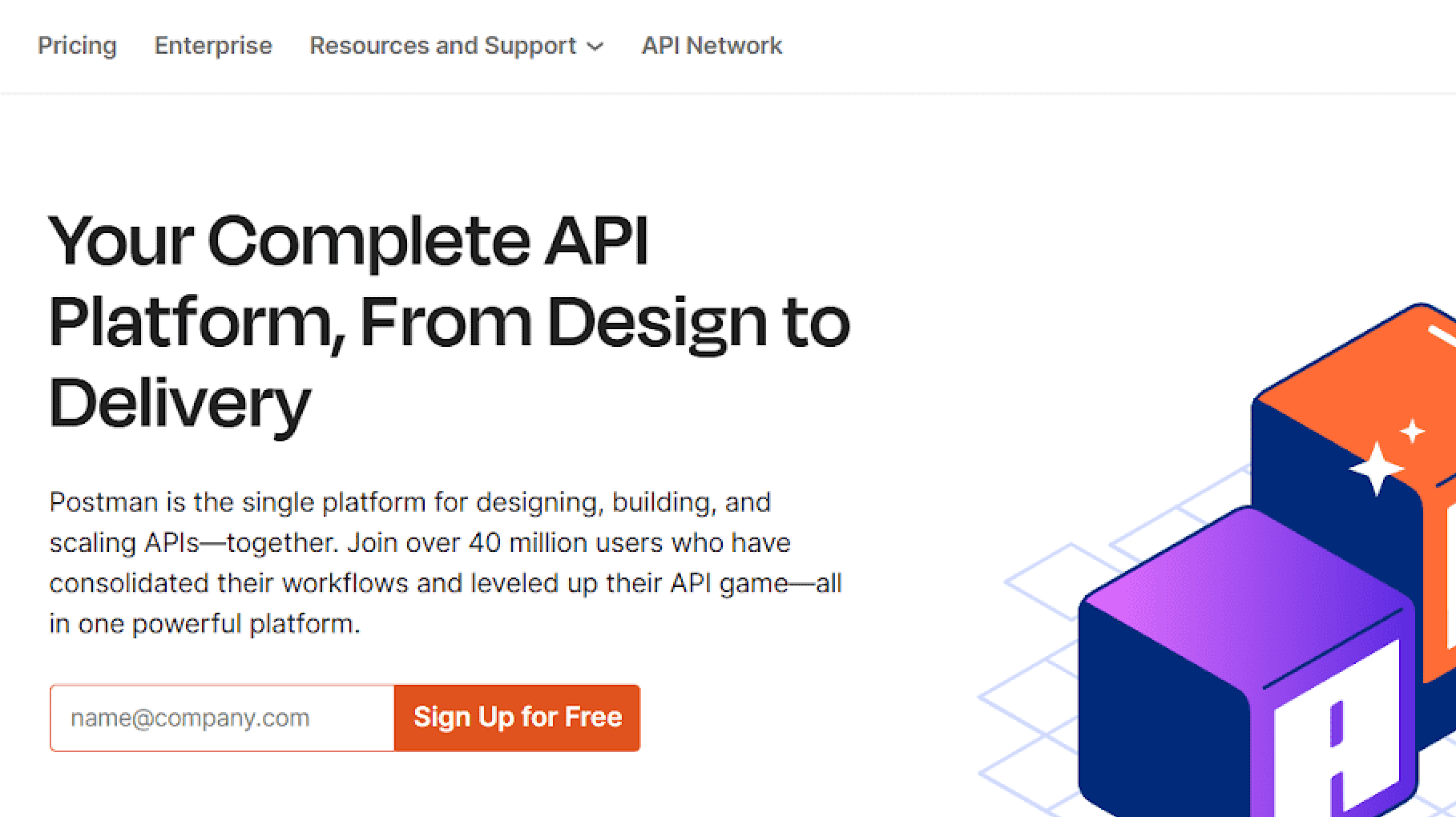
This is most relevant for tech companies building fundamentally new solutions for fundamental shifts in the world. Here’s a recent example of a particularly crisp story from Postman riding the API wave (which we believe was crafted by the obviously awesome April Dunford).
A slightly older example is from Zuora’s sales deck, expertly explained by Andy Raskin.
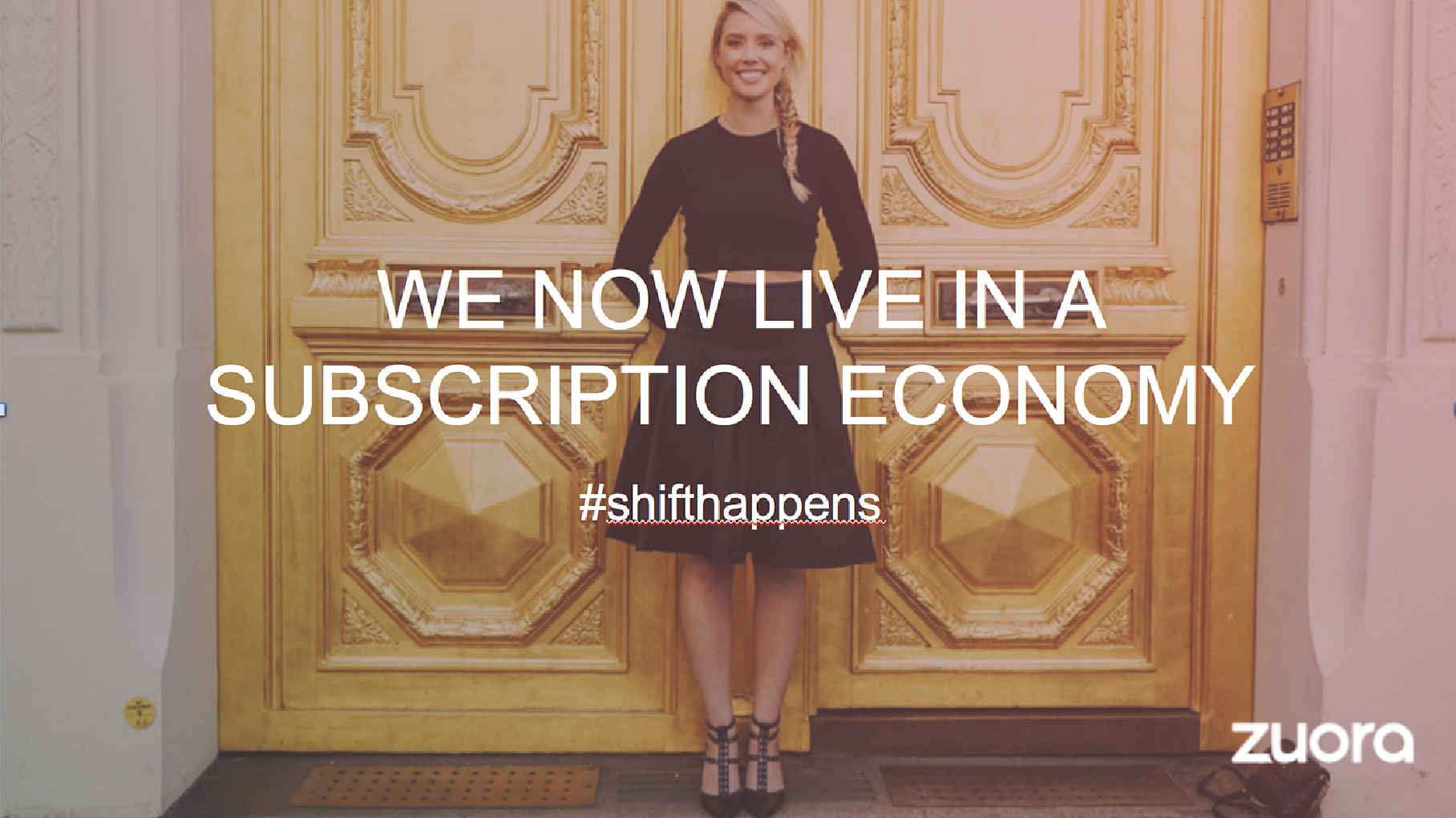
The idea with this style of positioning is that there is an undeniable shift in the world and your business is playing a critical role in facilitating that shift. So anyone who’s interested in capitalising on that shift should naturally have your brand firmly in their consideration set.
2. Category-first
Another approach to positioning is to emphasise the market category. This is most useful when you’re tightly focused on a very specific B2B category and most of your buyer’s alternatives are selling to a wider audience. By saying you focus on this category and it’s all you do, you’re telling them you’re specialists in a world of generalists.
Sometimes this is because your brand is aiming to establish a new category by catering to an underserved segment of an older market. Other times it’s used by brands that champion an existing category in order to dominate it.
By way of example, here’s a brand we crafted for FORUM here at Beneath.
This business had grown through acquisition in a number of areas but needed a new positioning that crystallised its overall value in terms that would make sense to its audiences in government and industry. So we helped the brand (that would become FORUM) to zero in on its niche of federal contracting, and devised a point of view about how FORUM aims to serve this category.
Does sharing this example position Beneath in the market category of people who help B2B brands do positioning? We couldn’t possibly comment.
3. Customer-first
A lot of times the best possible positioning for a brand emerges when you make the story about the ideal customer. This is particularly powerful when that group of people is chronically underserved because they’re doing something new or unique that other competing alternatives simply weren’t built to accommodate.
But even if that isn’t the case, if you’ve got a very specific type of person you’re trying to sell to, a smart way to position yourself is to look them in the eye, point right at them and say: “We’re here to make stuff for YOU.” Two good examples are Shopify and Figma. (We don’t know who’s helped them with their positioning work but if you do, let us know.)
Shopify’s home page is a clear appeal to the reader’s personal ambition.

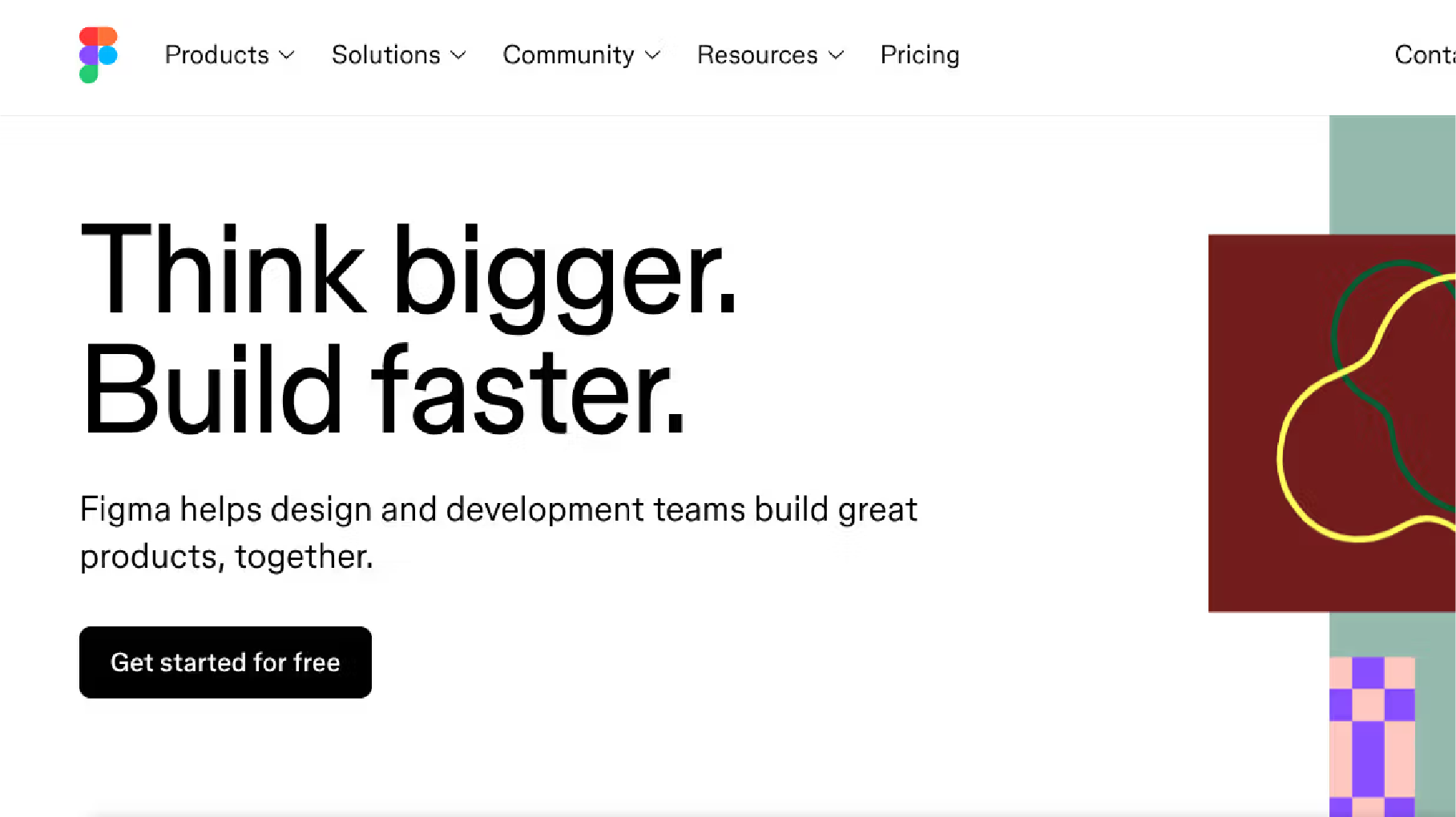
Figma’s home page, meanwhile, is very clear about the people they’re selling to: design and development teams who want to build together.
4. Use case-first
When your product is built to help people with one specific use case, and it can do it better than every other alternative, you can usually carve out a distinctive, resonant positioning. In theory, this kind of focus is excellent for all brands. But it can be a little too limiting for brands that are catering to a wider variety of use cases.
So when you can get this specific in your B2B brand story, you can commit to a story that almost no one else will want to compete with.
Here’s a wonderfully esoteric example from FletchPMM for a cyber security brand.

You need to have a SIEM, a data lake and be using Splunk to value what they’ve built here. But if all of that’s true, it’s pretty obvious you should be talking to this sales team. That’s tight positioning.
5. Value-first
Ultimately every positioning needs to be rooted in the unique value you create for your ideal customer. But sometimes just describing this value can be a compelling enough differentiator to merit building your whole positioning around it.
Especially when you’re surrounded by competing alternatives that only seem to talk about product features and technical specifications.
Case in point: HR platforms. There are a million ways to describe one. You can talk about the products that make up the suite, champion the importance of culture or brag about using AI.
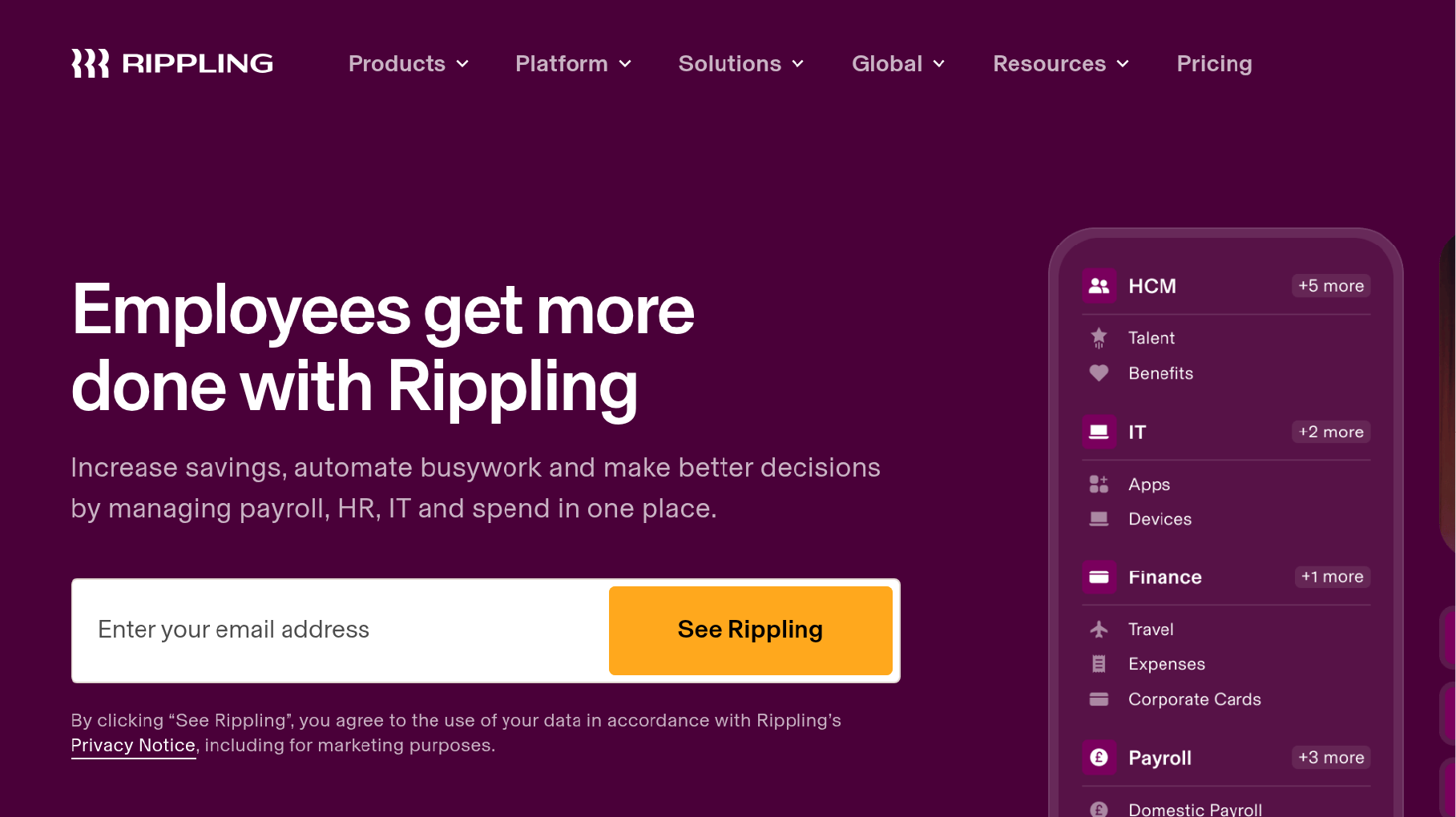
So we like what Rippling has done here – use this thing and everyone’s more productive. Straight to the real point of this kind of buying decision.
6. Alternatives-first
Some of the best B2B brand stories have a clear villain: the popular alternative that’s just not good enough. This was the bite that helped people take notice of Salesforce when it was saying “no to software” at the dawn of SaaS. And it’s been used by a million different workplace communication apps branding themselves as ‘email killers’.

Perhaps the most iconic of this approach is the old Avis campaign run by DDB in the 60s.
But a more recent example we enjoyed is by Ravel, a bit of software selling through Patreon.
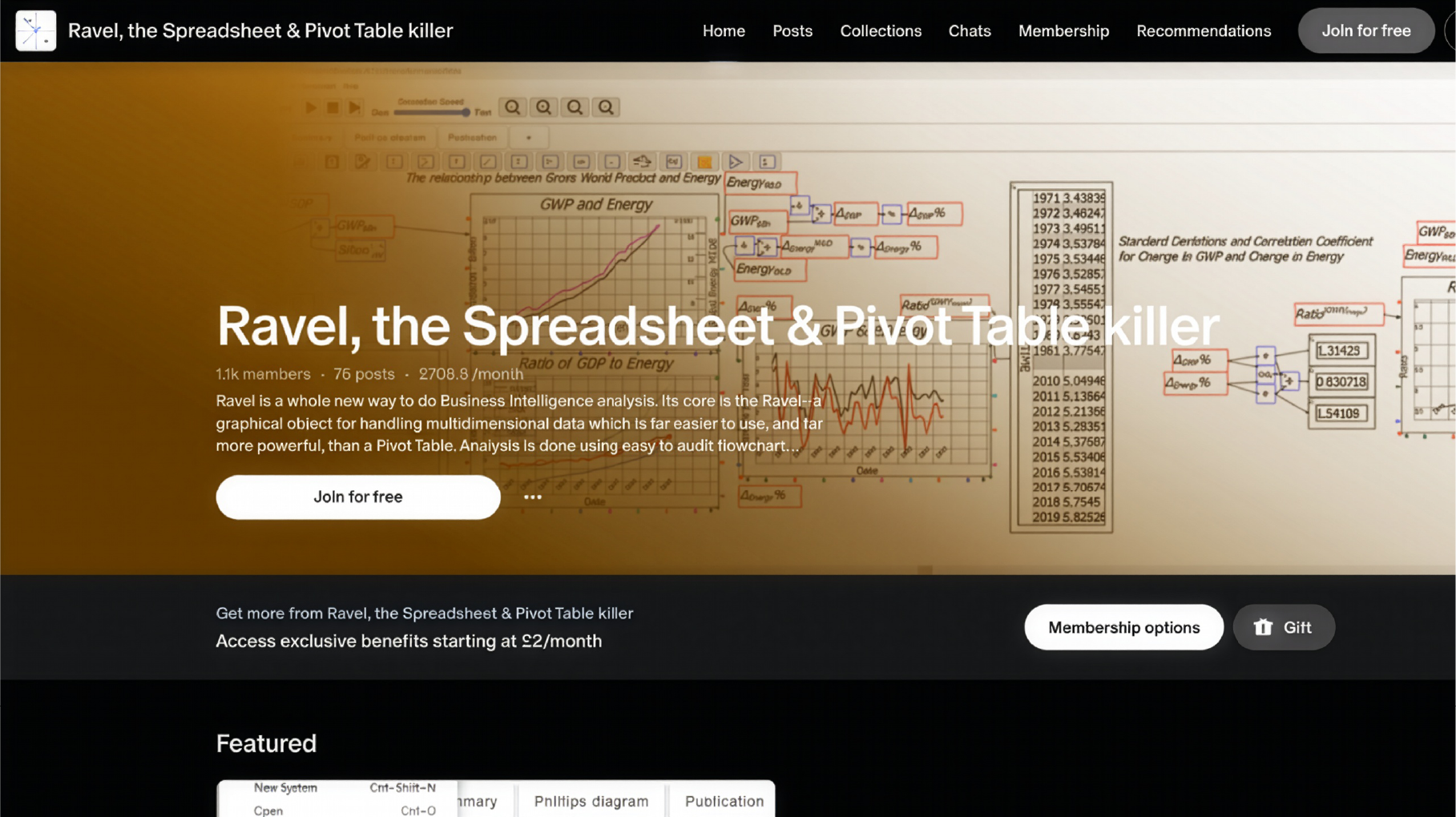
We don’t know how you kill a pivot table, but we’re intrigued.
7. USP-first
Ultimately, the single most powerful way to position a business is by emphasising the unique value that your business creates. When you’re doing something that sets you apart from the rest of the industry, it’s best to make it the tip of your positioning spear.
One of my current favourite examples of this is from Mawer, an investment management firm that seems thrilled to highlight how very boring its approach is.

“Be Boring. Make Money.” is just an excellent tagline. And you won’t find many firms rushing to insist they’re more boring than these guys.
–
We hope you’ve found it useful to explore these different ways to bake a positioning for a B2B brand. And if you think we’ve foolishly overlooked some obviously brilliant examples of effective positioning, please shout them at us in an email.